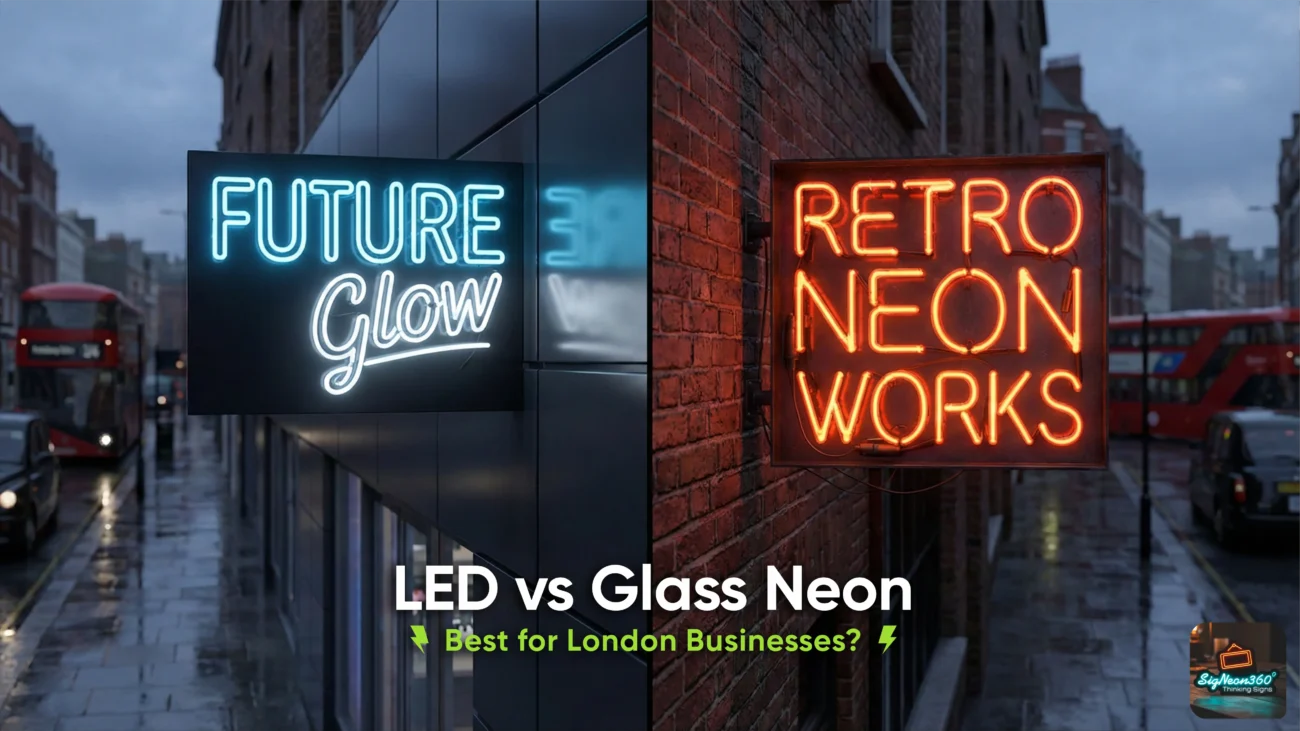
LED vs Glass Neon: London is a city where historic charm and cutting-edge modernity collide. From the vintage pubs in the West End to the ultra-modern tech hubs in Shoreditch, the aesthetic of your storefront plays a critical role in attracting foot traffic. If you are looking to illuminate your brand, you have likely encountered a classic dilemma: should you choose traditional glass neon or modern LED neon for your business signage?
Choosing the right custom neon sign in London is about more than just picking a bright colour. It requires a deep understanding of energy costs, maintenance, durability, and the specific vibe of your brand. In this comprehensive guide, we will break down everything you need to know about LED neon flex and traditional glass neon tubing to help you make the perfect choice for your website and physical storefront.
What is Traditional Glass Neon?
Traditional glass neon signs have been the gold standard for luminous advertising for over a century. Crafted through a highly specialised glass-bending process, these signs are filled with noble gases—such as neon or argon—which glow brightly when an electrical current is introduced.
The aesthetic appeal of traditional neon is undeniable. It offers a nostalgic, retro warmth and a unique 360-degree illumination that is deeply rooted in 20th-century advertising. For many heritage brands, the authentic buzz and slight imperfections of hand-blown glass add an artisan touch that is hard to replicate.
The Rise of LED Neon Flex Signs
In recent years, the signage industry has experienced a massive technological shift with the introduction of LED neon flex. Instead of fragile glass and noble gases, LED neon utilises flexible, light-transmitting materials like silicone or acrylic tubing. Inside this robust casing lies a strip of high-density light-emitting diodes (LEDs).
LED neon signs mimic the continuous, vibrant glow of traditional neon but come with a host of modern upgrades. They have quickly become the go-to choice for bespoke business signage, event backdrops, and modern retail displays across the UK.
LED vs Glass Neon: Key Differences
To make an informed decision for your London business, it is essential to compare these two technologies across several critical factors.
Aesthetic and Visual Impact
Traditional glass neon has a distinct, vintage charm. Because the glass tubes are completely clear or tinted, the light emanates in a full 360-degree radius. It provides a warm, nostalgic hum and a classic look that works beautifully for retro-themed diners or historic pubs.
LED neon, however, is significantly brighter and offers more precise colour control. Because the LEDs are directional (housed within a solid backing), the light is typically emitted at a 180-degree angle. LED technology also allows for advanced features like colour-changing RGB effects, flashing animations, and dimming capabilities, making it ideal for dynamic, modern brands.
Energy Efficiency & Eco-Friendly
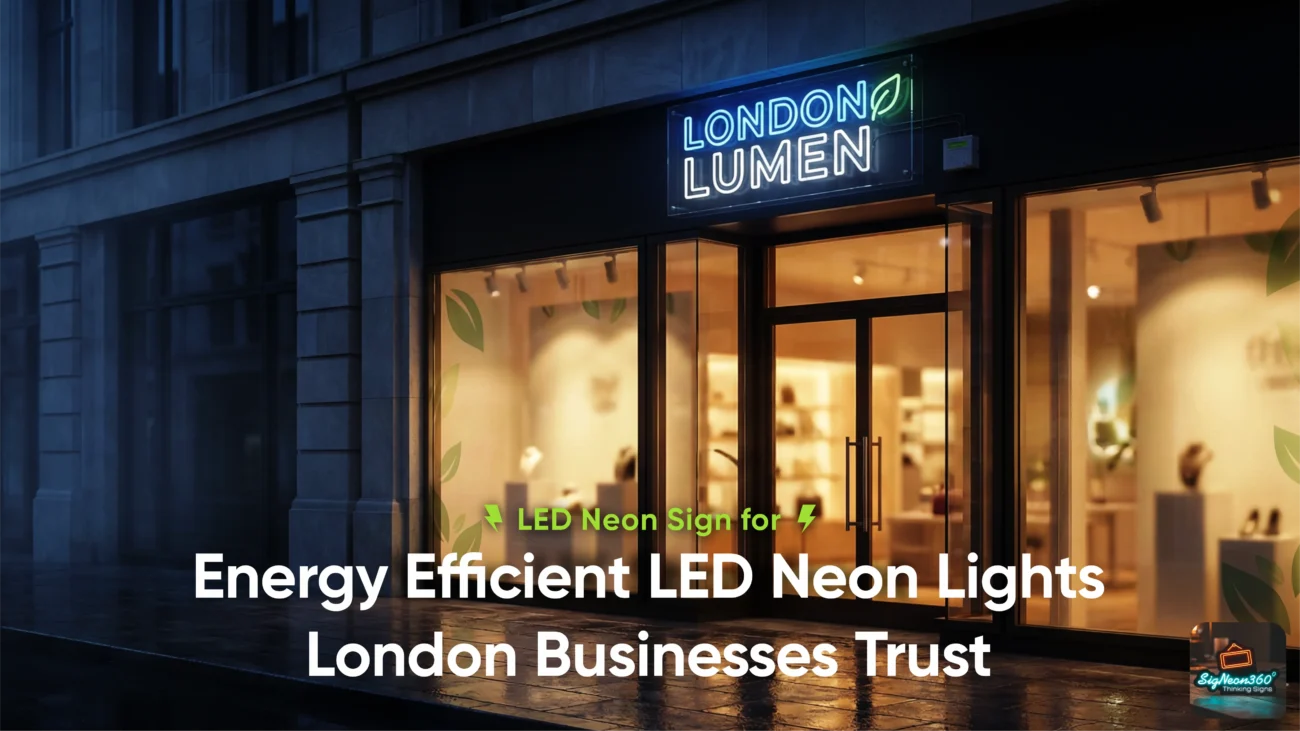
Energy efficiency is a massive priority for UK businesses facing fluctuating electricity rates. This is where LED technology heavily outpaces traditional methods. LED neon signs consume up to 80% less energy than traditional glass neon.
A standard glass neon sign requires a high-voltage transformer (often between 3,000 and 15,000 volts) to excite the gas. In contrast, LED neon flex operates on a standard 12V or 24V DC power supply. Not only does this drastically reduce your carbon footprint, but it also translates to significant savings on your monthly utility bills. For more information on reducing commercial energy usage, you can refer to the Energy Saving Trust’s guidelines for businesses.
Durability and Business Safety
Navigating the bustling streets of London means your exterior signage needs to withstand the elements and potential physical impacts. Traditional glass neon is inherently fragile. If a single tube cracks, the gas escapes, and the entire sign ceases to function. Furthermore, glass signs contain small amounts of mercury and require high-voltage electricity, which can pose safety hazards if damaged.
LED neon is exceptionally robust. Constructed from shatterproof silicone or acrylic, it can withstand bumps, vibrations, and harsh weather conditions without breaking. Additionally, because it operates on low voltage, LED neon is completely safe to touch and does not emit heat, making it perfect for indoor use where customers or staff might brush against it.
Maintenance and Longevity
Both types of signs offer impressive lifespans, but their maintenance requirements differ wildly. A well-crafted glass neon sign can last 10 to 15 years, but it requires periodic maintenance. The gases need to be refilled, and the high-voltage transformers occasionally need replacing by a specialised neon technician—a service that is becoming increasingly rare and expensive in the UK.
LED neon signs also boast a lifespan of up to 50,000 to 100,000 hours (roughly 10+ years of continuous use). The major advantage is that they are virtually maintenance-free. If an LED strip eventually fails, it is much easier and cheaper to repair or replace than a bespoke glass tube.
Cost Comparison in London
Budget is always a deciding factor. Traditional glass neon is a bespoke, artisan craft. The meticulous hand-bending process, the specialised materials, and the required high-voltage transformers make the initial purchase and installation costs quite high.
Conversely, LED neon signs are significantly more cost-effective to produce and purchase. The materials are more accessible, and the manufacturing process is faster. When you factor in the lower installation costs, the massive reduction in energy consumption, and the lack of maintenance fees, LED neon provides a vastly superior return on investment for the average business owner.
Choosing for Your London Business
The “best” sign ultimately depends on your specific industry, location, and brand identity.
Best for Classic London Pubs
If you are running a historic pub in Covent Garden or a retro speakeasy, the authenticity of traditional glass neon might be worth the investment. The nostalgic glow and artisan craftsmanship perfectly complement exposed brickwork and heritage architecture.
Best for Modern Cafes & Retail
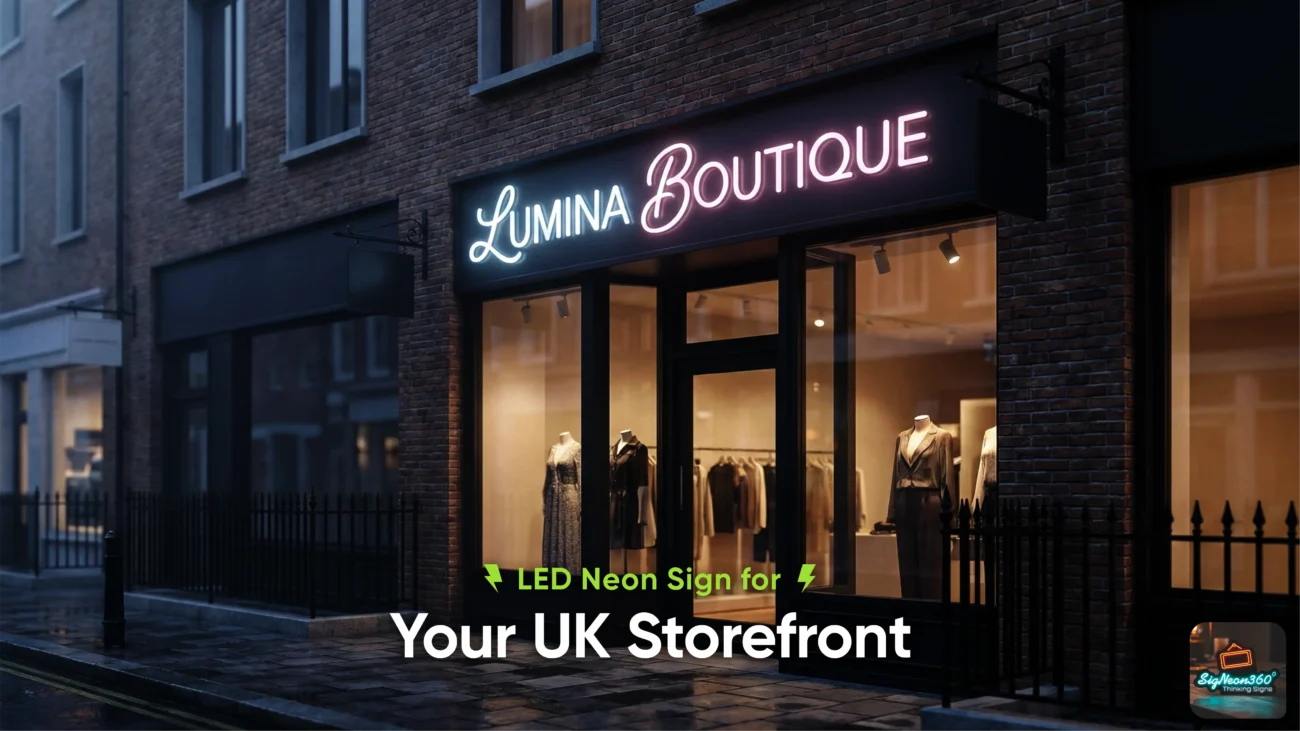
For trendy coffee shops, boutique clothing stores, and modern salons, LED neon is the clear winner. The ability to create highly customisable, perfectly branded logos with bright, eye-catching colours makes LED the best tool for drawing in foot traffic. Plus, the shatterproof nature of LED makes it safe for busy indoor environments.
Best for Offices & Tech Startups
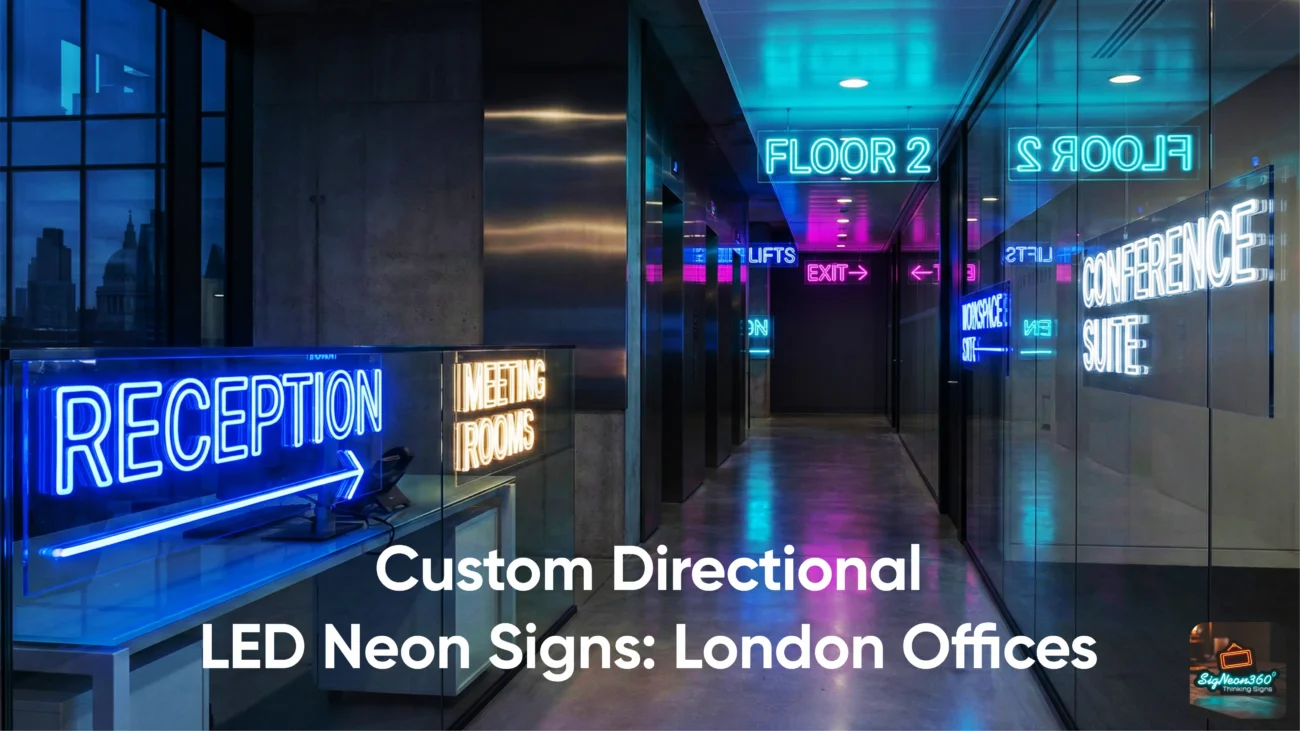
Tech startups, creative agencies, and corporate offices leaning into modern interior design should opt for LED neon. It is perfect for creating motivational quote signs for break rooms or sleek, illuminated brand logos for reception areas. The dimmable features allow you to adjust the brightness to suit the working environment perfectly.
Why Choose SigNeon360 for Signage?
At SigNeon360.com, we understand the pulse of modern business branding. While we respect the rich history of traditional glass, we specialise in premium, high-quality LED neon signs that offer unmatched durability, energy efficiency, and visual impact.
Whether you need a striking storefront logo to capture the attention of passersby or a vibrant indoor feature wall for social media check-ins, our bespoke LED neon solutions are designed to elevate your brand without inflating your energy bills.
Frequently Asked Questions (FAQs)
1. Which is cheaper: LED or traditional glass neon?
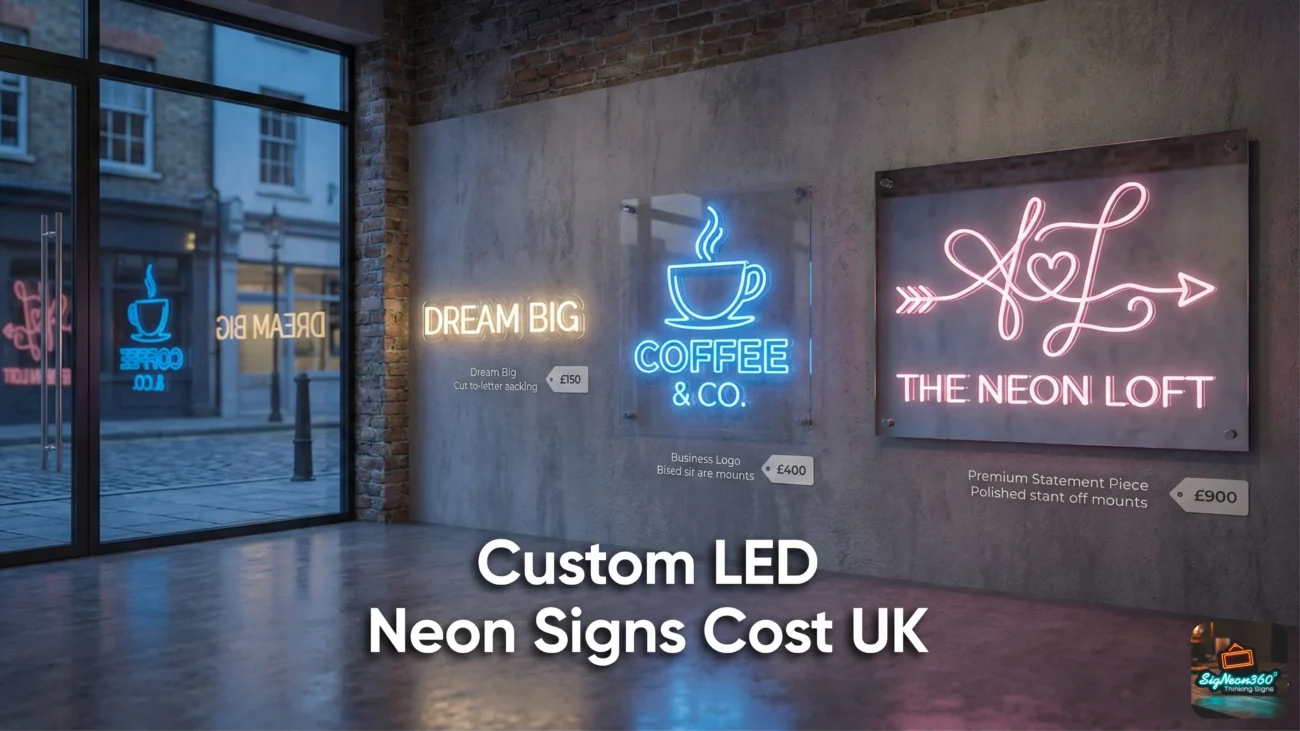
Price Idea: LED neon is significantly more cost-effective. A custom LED neon sign can start from as little as £150 to £300, depending on size and complexity, while a similar traditional glass neon sign can cost upwards of £600 to £1,000+ due to the artisan manufacturing process and expensive high-voltage transformers. Additionally, LED signs cost up to 80% less to run.
2. Is LED neon as bright as traditional glass neon?
Technology: Yes, modern LED neon flex is exceptionally bright and often appears more vibrant and legible from a distance. While glass neon provides a softer, 360-degree ambient glow, LED technology offers focused, high-intensity lighting that can be dimmed or colour-changed using a remote control.
3. How long do custom LED neon signs last?
Availability & Lifespan: High-quality LED neon signs, like those provided by SigNeon360, are built to last between 50,000 and 100,000 hours of continuous use. This translates to roughly 6 to 11 years of 24/7 illumination with virtually zero maintenance required.
4. Can I put my LED neon sign outside my shop?
Information: Absolutely. LED neon signs can be manufactured with IP67 waterproof ratings, making them completely safe and durable for exterior storefronts in London’s unpredictable weather. Traditional glass neon is also weatherproof, but is much more vulnerable to wind and physical damage.
5. Are LED neon signs safe for indoor business use?
Information: LED neon is the safest option for indoor use. Because it operates on a low-voltage 12V or 24V DC feed, the signs are completely cool to the touch and pose no risk of burning. Furthermore, they contain no toxic gases or fragile glass, making them entirely shatterproof and safe for cafes, retail spaces, and offices.
6. Can you replicate my exact business logo in neon?
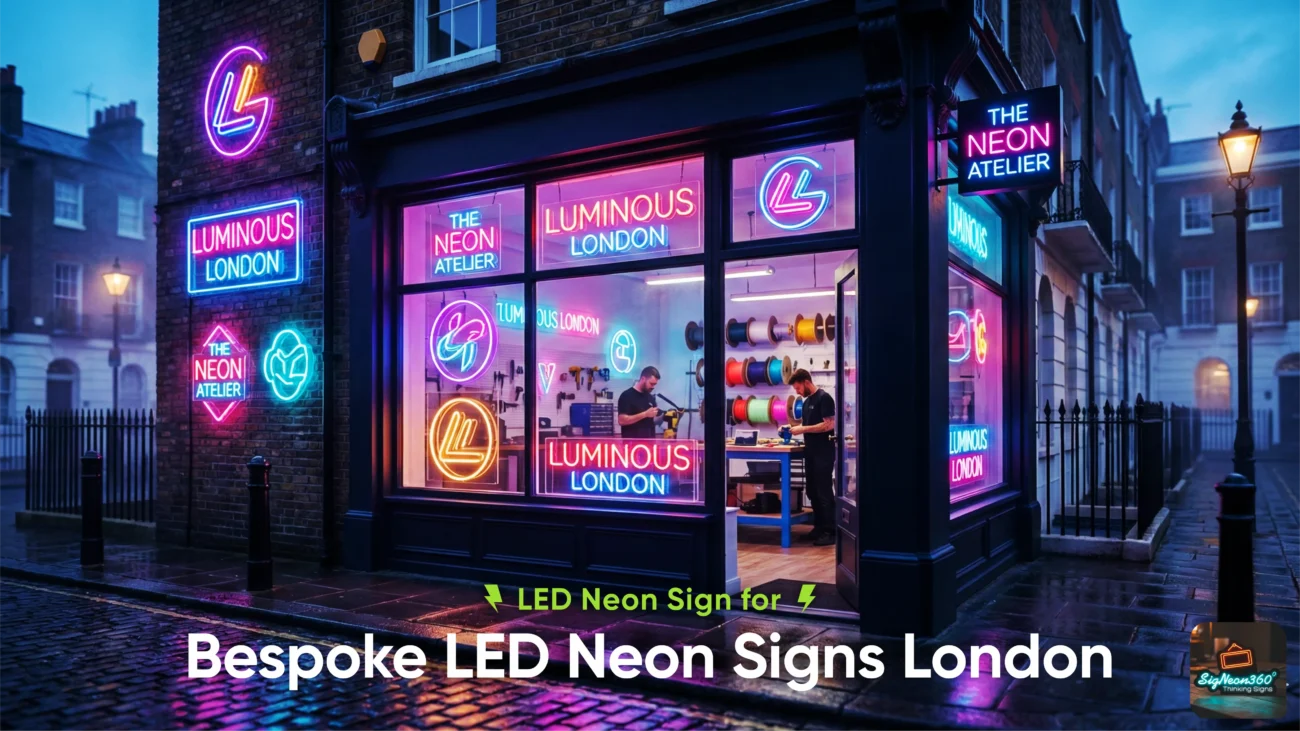
Availability: LED neon flex is highly adaptable and can be bent into much tighter, more precise angles than traditional glass tubing. This makes it much easier to accurately replicate complex business logos, specific brand fonts, and intricate shapes.
Looking to upgrade your business signage? Explore our custom LED solutions at SigNeon360 and bring your brand to light today.
Leave a comment